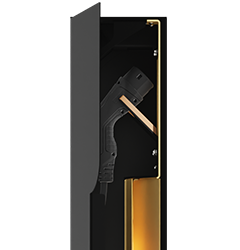
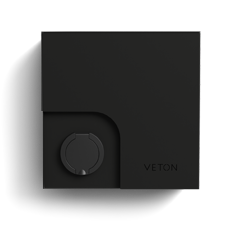
Local OCPP, EMS and cloud management FAQ A charger should keep working when the internet does not. Cloud is useful for visibility, reporting and updates. The decisions that protect the building connection belong on the site itself. Local-first charging versus cloud-dependent charging Local-first means the controls that matter sit at the installation. The cloud handles visibility, reporting, updates and remote support. Nothing critical waits on a round-trip. Several chargers in the energy-tech category publish their own documentation acknowledging the trade-off. Some keep charging running offline but lose schedules, reporting or session-start behaviour when the backend is unreachable. Others state outright that a stable internet connection is needed for normal operation. The Veton® charger is built the other way around. The Veton® load management device runs on the site. Smart charging logic runs on the charger. Cloud is the convenience layer, not the dependency. What should remain local? Basic charging operation, within the access model the site has chosen.Energy management that protects the building connection.Load balancing across the chargers on that connection.Site-level control for residential, hospitality and enterprise use. What is the role of cloud management? Cloud is for remote visibility, reporting, support, software updates and multi-site fleet management. Useful, often essential, but not in the critical path. The site stays usable when the link drops. What should project teams ask before choosing a charger? Which functions continue locally if internet is unavailable?Can load balancing and EMS logic operate without the cloud?What happens to schedules, access control, billing and reporting offline?Does OCPP connect locally, through the vendor cloud, or through a selected backend?What happens if the vendor cloud, mobile network or Wi-Fi is unavailable? Related topics: OCPP and charging platforms, load balancing, billing and reimbursement and installation planning. Last updated: 1 July 2026