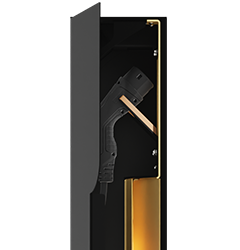
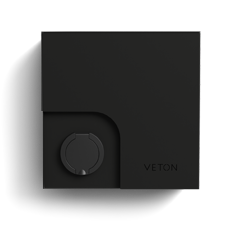
5 year on-site support FAQ Veton can offer 5 year on-site support because the product is designed as a durable, serviceable outdoor system rather than a disposable sealed box. Long-term support depends on component access, outdoor robustness, moisture control, thermal stability and a design that can be maintained in the field. Why on-site support is possible Separate components: service can focus on the part that needs attention instead of replacing the whole charger. Moisture-conscious design: outdoor reliability starts with reducing water and condensation risk. Heat and cold resilience: the charger is designed for real exterior temperature changes, not only indoor-like conditions. Durable materials: visible and structural parts are selected for long-term outdoor use. Service access: maintenance and diagnosis are considered as part of the product lifecycle. What does 5 year on-site support cover? Veton’s standard 5 year on-site support covers diagnosis, parts and on-site service for charging hardware faults under normal use. The intent is to handle issues at the installation address rather than asking customers to dismount a finished outdoor installation and ship it back to the factory. Specific terms, exclusions and response windows are confirmed at the time of order. How is on-site support different from a typical “send back” warranty? Many EV chargers are covered by a return-to-factory warranty: the unit must be removed from the installation, packed and shipped before a fix can begin. For an outdoor architectural installation, that means damage to landscaping, paving or facade detailing, and visible downtime during the wait. On-site support handles the issue at the installation address. The architectural object stays in place, and only the relevant component is serviced or replaced. Why is on-site support different from remote support? Remote support can diagnose software, platform or connectivity issues, but outdoor hardware sometimes needs physical inspection. On-site support is important when the issue involves installation, components, connectors, moisture, impact, power supply or environmental exposure. Why do separate components matter? Separate components make service more practical. A support model is stronger when a technician can inspect, access and replace the relevant part instead of treating the charger as one closed unit. Why does this matter for premium projects? Premium projects need the charger to keep working without damaging the visual quality of the property. A long-term support model protects uptime, appearance and the investment in the exterior environment. Related topics: Veton durability, maintenance, weather resistance and total cost of ownership.