EV charger maintenance FAQ

A premium EV charger should stay visually calm and technically reliable over time. Maintenance depends on exposure, use intensity, the chosen finish and the surrounding environment — and on Veton it is mostly about cleaning the visible surface and letting the architecture of the product take care of the rest.

Key questions

Does a Veton charger need maintenance?

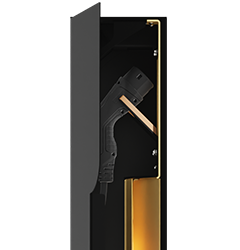
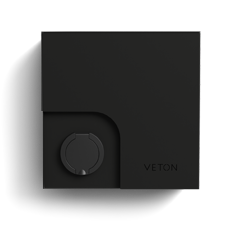
Yes, but the bulk of it is cosmetic. Because the charging electronics live inside the building in the component box, the outdoor object does not have outdoor power electronics or fans that need scheduled servicing. What stays outside is a Magnelis® steel structure with a facade-quality finish and a Type 2 connector — both designed for daily contact and outdoor exposure. Routine maintenance is mostly about keeping the visible surface clean and inspecting the cable and connector once or twice a year.

What should be checked regularly?

  • Visible damage, movement or impact marks on the outdoor housing.
  • Cable and connector condition — pins clean, sleeve intact, coiled cable retracts smoothly behind the steel door.
  • Cleanliness around the cable door and any drainage paths.
  • Moving parts — hinges and socket covers should be lubricated once a year (a quick spray of WD-40 or equivalent is enough) to keep them moving smoothly through outdoor temperature cycles.
  • Software, platform or connectivity status if the charger is connected to OCPP or a home energy management system.
  • Material-specific cleaning routine for the chosen finish (see below).

How do I clean each finish?

  • Powder-coated steel — soft cloth or sponge with mild soapy water, rinsed with clean water. Avoid solvents and abrasive pads. The Magnelis® substrate underneath is self-healing on cut edges and scratches, so a cosmetic scratch in the powder coat does not turn into rust.
  • Teak wood — silvers naturally outdoors and can be left as-is, or kept warm-brown with periodic teak oil (typically once or twice a year depending on exposure). Clean dust and pollen with a soft brush; for stains, use a dedicated teak cleaner before re-oiling.
  • Belgian blue natural stone (petit granit) — wipe with clean water and a soft cloth. Avoid acidic cleaners (vinegar, descaler, citrus) which etch the stone. A stone-safe sealer can be reapplied periodically in exposed positions.
  • Carrara marble — the same rule as bluestone: no acidic cleaners. Use a pH-neutral stone cleaner and a soft cloth, and keep an eye out for any setting in of organic stains, which marble shows more readily than darker stones.

Why does maintenance matter for design?

In premium environments, the charger is part of the visible exterior. A grimy or salt-stained charger reduces the perceived quality of the entrance just like a dirty light fitting or weathered door handle would. Because Veton is built as one architectural object rather than a wall full of seams, vents and labels, cleaning is straightforward: a quick wipe of the visible surface and a check of the cable, no service hatch to navigate.

What about the indoor component box?

The indoor component box lives inside the building’s normal environment and is essentially maintenance-free in day-to-day use. Periodic electrical inspection by the installing electrician (in line with local regulation) is sufficient. If a component does need attention, it is replaceable individually — the architectural charging object outside does not need to be touched.

See also materials FAQ, weather resistance FAQ, Veton durability FAQ and 5 year on-site support.